Fragile-Tissue Injury, Skin Tears, Hematoma, Avulsion Wounds, and Reconstructive Escalation in Older Adults
Trauma in older patients is different because the tissue is different.
A fall, skin tear, bruise, hematoma, or wound that appears limited at first may progress into tissue loss, infection risk, prolonged wound care, loss of mobility, or hospital-based reconstruction when fragile tissue biology is not recognized early.
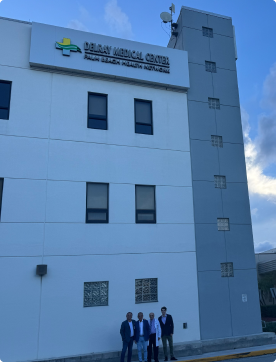
Plastic Surgery Trauma Associates evaluates geriatric trauma wounds and fragile-tissue injuries through the Delray Advanced Wound Center and a Level I trauma-center reconstructive environment.
Trauma Transfer 855-952-7246
When Minor Trauma Becomes a Major Wound
In older adults, the visible wound may underestimate the injury.
Fragile skin, reduced elasticity, thin subcutaneous tissue, anticoagulation, hematoma, vascular disease, diabetes, edema, malnutrition, and impaired mobility can turn a small appearing injury into a prolonged reconstructive problem.
The issue is not only whether the skin is open.
The issue is whether the tissue can survive, remain stable, resist shear, tolerate dressings, and heal without progressing to necrosis, drainage, infection, or deeper structural exposure.
Geriatric trauma reconstruction applies plastic-surgery tissue-salvage principles to injuries that are often underestimated because they begin as falls, bruises, skin tears, or low-energy wounds.
A Level I Trauma-Center Wound Pathway
Patients are evaluated through an advanced wound care pathway housed within a Level I trauma environment.
This matters because geriatric trauma wounds may require more than dressing changes.
Some wounds can be managed through structured outpatient wound care. Others require debridement, hematoma evacuation, tissue stabilization, perfusion assessment, staged reconstruction, flap coverage, or hospital-based escalation.
This is not a small community dressing center.
It is a reconstructive wound pathway connected to plastic surgeons who manage minor wounds, fragile-skin injuries, and some of the most complicated wounds in the region.
Why Geriatric Tissue Fails Differently
Older patients often have less tissue reserve.
- Skin is thinner and more vulnerable to shear.
- Dermal elasticity and tensile strength are reduced.
- Subcutaneous tissue may separate from the underlying bed more easily.
- Perfusion may be less reliable.
- Muscle mass and soft tissue padding may be reduced.
- Blood thinners can expand bruising and hematoma.
- Edema can increase tension across fragile wounds.
- Mobility limitations can increase pressure and repetitive trauma.
- Diabetes, vascular disease, nutrition, and steroid exposure may reduce healing capacity.
These factors change the reconstructive logic.
In selected older patients, a wound that appears superficial may need early tissue-salvage evaluation before the wound declares itself through necrosis, drainage, prolonged inflammation, or failure to close.
Skin Tears and Fragile-Skin Avulsion Injuries
Skin tears are common in older adults.
That does not make them simple.
A skin tear may involve an avulsed skin flap, shear injury, hematoma, threatened blood supply, and tissue that behaves more like a biologic graft than a normal laceration.
PSTA plastic surgeons have developed methods for salvaging skin-tear tissue in fragile and aging skin. These methods have been published in peer-reviewed journals, presented at major national and international surgical meetings, and incorporated into broader reconstructive discussion regarding geriatric avulsion injury and tissue salvage.
The goal is to preserve viable tissue when possible, stabilize threatened skin, reduce shear, identify hematoma, and prevent a manageable injury from becoming a chronic wound.
Blood Thinners, Hematoma, and Shear
Many older patients take anticoagulants or antiplatelet medications.
After a fall or blunt injury, bleeding beneath the skin may create a hematoma that separates fragile tissue from its blood supply. This can enlarge the zone of injury beyond what is visible on the surface.
An expanding bruise, tense swelling, purple or black skin, drainage, or increasing pain may signal that the wound is not behaving like a simple cut.
Early evaluation may allow hematoma recognition, evacuation when appropriate, tissue stabilization, and a more accurate plan before progressive tissue loss occurs.
Morel-Lavallée-Type Injury in Older Adults
Some geriatric trauma wounds involve internal shearing beneath the skin.
The surface may appear bruised, swollen, or partially open while deeper tissue planes have separated and filled with blood or fluid. These Morel-Lavallee-type injuries can be missed when the injury is treated as a superficial skin problem.
In fragile tissue, this pattern may progress to skin necrosis, persistent drainage, infection risk, or a larger reconstructive wound.
Evaluation should consider the mechanism of injury, tissue movement, fluid collection, perfusion, skin color, and whether the wound is stable or evolving.
Early Presentation Can Shorten the Course of Care
Timing matters.
PSTA consistently sees geriatric wounds after weeks or months of non-healing, repeated dressing changes, drainage, progressive skin loss, or failed prior closure.
Many of these wounds may have followed a shorter course if the fragile-tissue injury had been evaluated earlier through a reconstructive wound framework.
- identify threatened skin before necrosis progresses
- recognize hematoma and shear injury
- preserve salvageable avulsed tissue
- select dressings that reduce trauma to fragile skin
- avoid unnecessary tissue loss
- recognize wounds unlikely to heal with routine care alone
- escalate before exposed tendon, bone, or hardware develops
- reduce the duration of ineffective wound-care cycles
The goal is not to over-treat every wound.
The goal is to identify which wounds are likely to fail if they are treated as routine skin injuries.
When to Request Evaluation
Evaluation may be appropriate for older patients with:
- skin tear after a fall
- large avulsed skin flap
- black, purple, gray, or dusky skin
- expanding bruise or hematoma
- blood thinner use with open skin injury
- persistent bleeding or drainage
- wound reopening after closure
- wound that is worsening despite dressings
- fragile skin lifted away from underlying tissue
- suspected Morel-Lavallee-type injury
- exposed fat, tendon, bone, or hardware
- wound pain, swelling, odor, or concern for infection
- loss of mobility because of the wound
- facility or home-care wound that is not progressing
When tissue viability is uncertain, early evaluation preserves options.
Delay narrows them.
From Wound Care to Reconstructive Escalation
Not every geriatric wound needs surgery.
But some geriatric wounds need more than dressing-based observation.
Escalation may include debridement, hematoma evacuation, tissue stabilization, negative pressure therapy, biologic dressing strategy, staged reconstruction, flap coverage, or hospital-based management when deeper structures are threatened.
The correct pathway depends on tissue viability, wound depth, contamination, perfusion, patient risk, mobility, and the consequences of failure.
A wound should not be allowed to become chronic simply because the original injury looked minor.
Function, Mobility, and Independence
In older adults, prolonged wounds can create consequences beyond the skin.
Pain, drainage, dressing burden, infection concern, repeated appointments, limited walking, and fear of re-injury can reduce mobility and independence.
Professional Referral
GeriatricTraumaReconstruction.com is a focused educational and referral landing page maintained by Plastic Surgery Trauma Associates.
For skin tears, fragile-skin injuries, hematoma-associated wounds, avulsion injuries, and geriatric wounds that are not progressing:
Delray Advanced Wound Center: (561) 495-3412
For professional referral or reconstructive wound consultation:
For urgent hospital transfer or trauma-system escalation:
Tenet Transfer Center: 855-952-7246 | Available 24/7
For full trauma reconstruction program information, visit reconstructivetrauma.com
FAQ
Older adults often have thinner skin, reduced elasticity, less soft tissue reserve, vascular disease, diabetes, anticoagulation exposure, edema, or impaired mobility. These factors can make wounds more likely to progress, reopen, or fail routine care.
Evaluation is appropriate when the skin flap is large, black, purple, gray, or dusky; when bruising or hematoma is expanding; when the patient is on blood thinners; when drainage persists; or when the wound is not improving.
Yes. In fragile tissue, low-energy falls can create shear injury, hematoma, avulsion, or skin necrosis that may not be obvious immediately.
It is an internal shearing injury where skin and soft tissue separate from deeper tissue planes, often allowing blood or fluid to collect. In older patients, this can threaten skin viability and lead to persistent drainage or necrosis.
No. Many wounds can be managed through structured wound care. Surgery or hospital-based escalation may be needed when there is hematoma, necrosis, exposed structures, infection concern, failed closure, or progressive tissue loss.
Patients may be evaluated through the Delray Advanced Wound Center, connected to Plastic Surgery Trauma Associates and a Level I trauma-center reconstructive environment.